

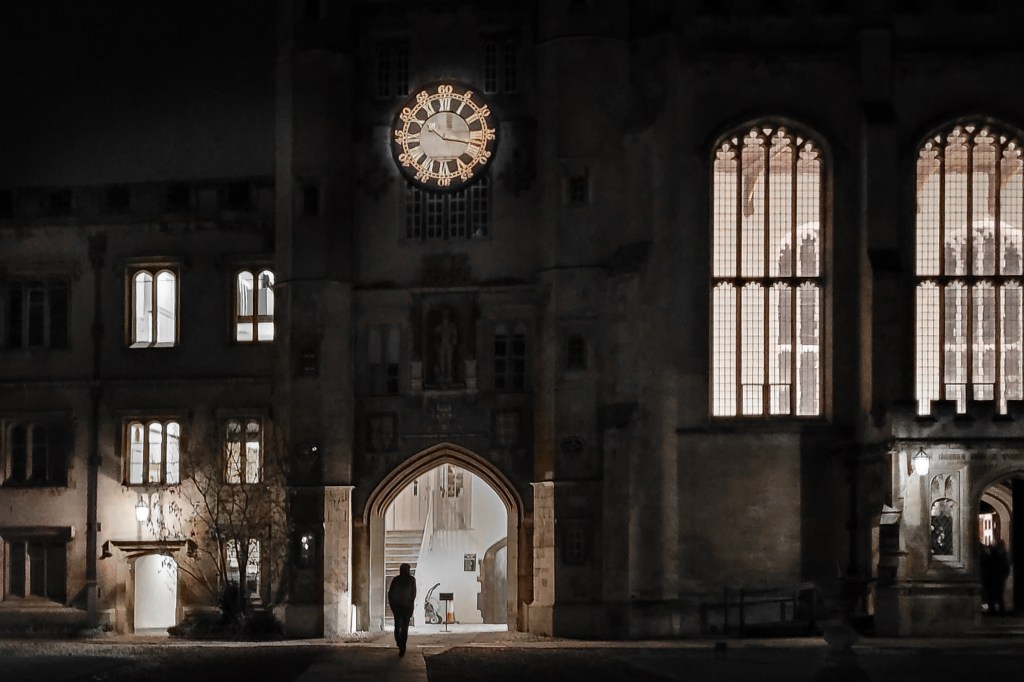
At Cambridge Camera Club’s Photo Forum Special Interest Group this month members shared images that might be described as ‘high key’ or ‘low key’. I shared four such photographs but first what do we mean by high key and low key.
Click here for a useful article and this definition.
While Low-Key photography plays with deep shadows and selective highlights, High-Key photography is characterized by bright, nearly shadow-free atmospheres. These two techniques form a strong visual contrast but are often used for similar subjects—such as portraiture, still life, or even architectural photography.
In somewhat technical terms low key photographs have a histogram largely on the left, high key largely on the right.
I reckon there are two distinct types of such photographs. The first are those photographs which are deliberately taken to be high or low key. These are often, but not always, taken by professionals for trade use and involve careful choice of subject, lighting and framing of the shot followed by possibly extensive post-processing. Nothing wrong with this of course and some of the results can be spectacular. More serious amateurs also play in this space.
The second type are those taken for some other purpose but are intrinsically high or low key. That’s the domain of amateurs like me.
Of course it’s not just these two types, there’s also the images in between. People like me might take a photograph, reckon that it’d make a nice high or low key image and then post process it to achieve such an effect.
The four images I shared are all of the second type and had been subject to limited post-processing. These are the four:
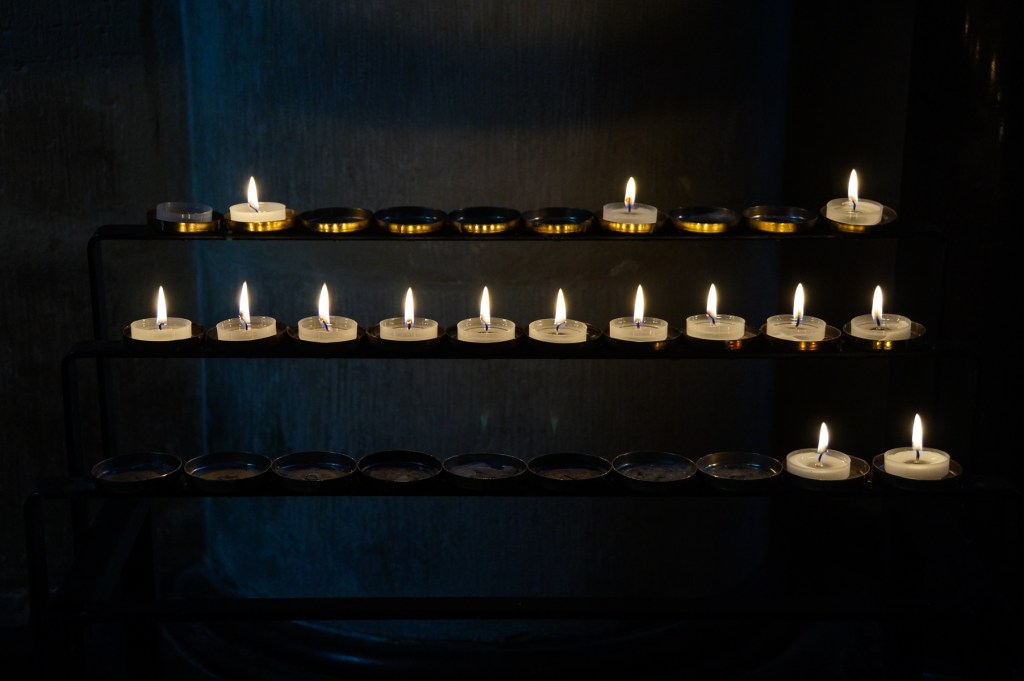
This was taken at Salisbury Cathedral in 2015 and I was smart enough to under-expose it by 1.3EV which means that the candles are not blown out. It certainly wasn’t meant as a low-key shot at the time but it works!

This is a more recent photograph which I took in Cyprus in 2024. I must admit that I had in mind a very shadowy result and so it was achieved. There has been some post-processing with extra shadow being applied to the right hand side of the image.

This was taken in in 2019 and is a scene of windmills adjacent to salt flats in Sardinia. There’s been very little post-processing. One of my colleagues suggested that it might be a good black and white image.
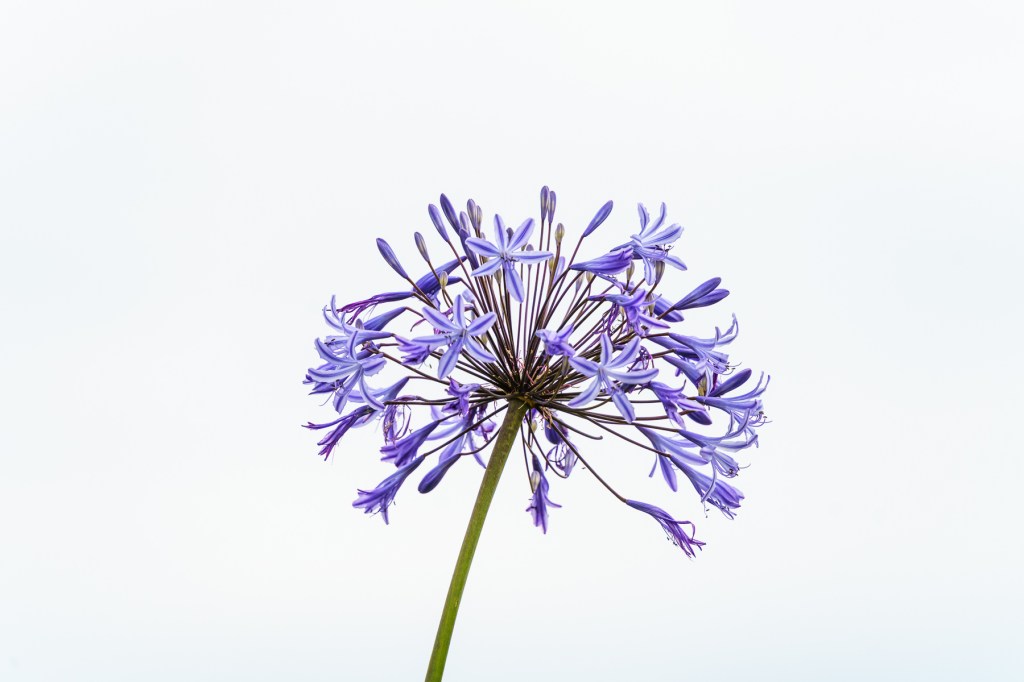
This one’s very recent being taken in Swansea just last month. It’s an agapanthus and very much an opportune shot which I took with a bright but overcast sky as a backdrop
Finally the photo at the top of this post was taken earlier this year and is of Trinity College. I took it as I left the St David’s Day dinner and it was taken with my mobile phone. There’s been a little post-processing mainly to delete an unwanted extra person!
 David Jenkins' weblog
Leave a comment